
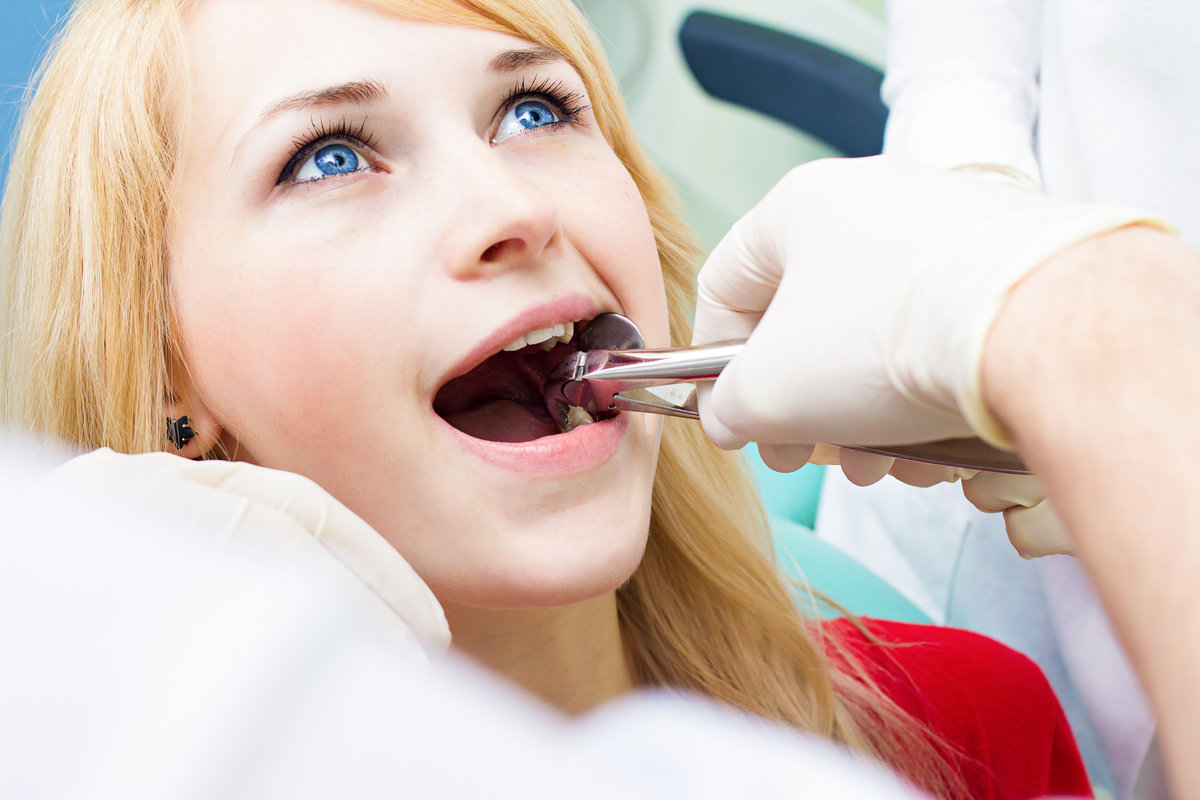
Most people do not think about a tooth until it is gone. Then the way food catches, the words that come out a little less clearly, and the instinct to keep your lips closed in photos are hard to ignore. When a tooth cannot be saved, removing it can be the first step toward a replacement that looks and works like a natural tooth.
At Precision Cosmetic & Family Dentistry in New Smyrna Beach, FL, we guide you through each step, from the moment a tooth needs to come out to the placement of a restoration that looks and functions like a natural tooth. Tooth extraction for implants is part of our dental implant care and oral surgery services, and we plan it carefully because we know how much this process matters to you.
Request an AppointmentWhy a Tooth May Need to Be Extracted Before an Implant
Not every damaged tooth requires extraction, and we always explore all options before recommending one. That said, there are situations where removing the tooth is the clearest path forward for your long-term oral health.
When Extraction Becomes Necessary
Some of the most common reasons a tooth may need to be removed prior to implant placement include:
- Severe decay that has compromised too much of the tooth’s structure to be restored
- Advanced gum disease that has caused significant bone and tissue loss around the root
- A fracture that extends below the gumline, making restoration impossible
- A failed root canal or persistent infection that has not responded to treatment
- Crowding that is affecting the surrounding teeth and bite alignment
These situations don’t always come with obvious symptoms, which is part of why routine dental exams are so important. When we find that extraction is the right call, we explain exactly what the process looks like and what comes next.
What the Extraction Process Looks Like
The word “extraction” can bring up some anxiety. Our team prioritizes your comfort at every step, and the procedure is often more straightforward than patients expect.
Preparing for the Procedure
Before we schedule any extraction, we take a thorough look at the area using advanced diagnostic imaging. Our CBCT scanning technology gives us a highly detailed, three-dimensional view of the tooth, surrounding bone, and nearby structures. This level of imaging allows us to plan the procedure carefully and anticipate any nuances before we ever begin, which can lead to more predictable outcomes and a smoother recovery for you.
Once we’ve reviewed your imaging and confirmed the treatment plan, we’ll numb the area thoroughly with local anesthesia. The goal is for you to feel pressure during the process, not pain.
The Extraction Itself
Depending on the tooth’s position and root structure, the extraction may be straightforward or involve a surgical approach. For teeth that are impacted, broken at the gumline, or have complex root anatomy, a surgical extraction gives us the access we need to remove the tooth cleanly and protect the surrounding bone as much as possible. Preserving that bone matters a great deal for what comes next, because your implant will ultimately fuse with and rely on that bone for long-term stability.
When Does the Implant Go In?
This is one of the most common questions we hear, and the honest answer is that it depends. A 2025 study in Clinical and Experimental Dental Research reported 98.4% survival for implants placed right after extraction and 98.6% for implants placed in healed sockets, so both approaches can work well. Timing still depends on bone quality, the presence of infection, and the condition of the socket at the time of removal.
Immediate vs. Delayed Placement
In some cases, we’re able to place the implant on the same day as the extraction. This approach, known as immediate implant placement, can reduce overall treatment time and limit the number of separate procedures a patient needs to go through. Dr. Kortbus offers immediate implants and implants with temporary teeth, which may be an option for the right candidate.
In other cases, we recommend allowing the extraction site to heal before placing the implant. This is especially true when there is active infection, insufficient bone density, or other factors that could affect how well the implant integrates. Our restorative dentistry approach always prioritizes what gives your implant the best possible foundation, not just the fastest path to the finish line.
If bone volume is a concern after the extraction, a bone grafting procedure may be recommended before implant placement. Our guide to how bone grafting works before dental implants explains that step if it becomes part of your treatment plan.
What to Expect During Recovery
Recovery from a tooth extraction is generally manageable, and we provide detailed aftercare instructions to support your healing. Swelling and mild discomfort are normal in the first few days and typically respond well to over-the-counter pain relievers and cold compresses. We’ll ask you to avoid hard or crunchy foods, refrain from smoking, and be gentle when rinsing the area during the initial healing period.
We also stay in contact with our patients throughout recovery. If something doesn’t feel right or you have questions, our team is accessible and ready to help. That kind of attentive follow-through is something Dr. Kortbus takes seriously, because a good outcome doesn’t just depend on what happens in the chair.
Choosing Precision Cosmetic & Family Dentistry for Your Implant Treatment
There’s no shortage of dental offices in the New Smyrna Beach area, but not every practice brings the same level of preparation, technology, and individual attention to a procedure like this. Dr. Kortbus completed his dental education at NYU and returned to the New Smyrna Beach community with a clear philosophy: patients deserve real relationships with their providers, not a revolving door of rotating faces. That perspective shapes how we approach every consultation, every extraction, and every implant case we take on.
Our digital dentistry capabilities, including CBCT scanning and digital intraoral imaging, allow us to plan implant cases with a level of accuracy that simply wasn’t possible a generation ago. We also believe that cost should never be the reason someone delays care that can improve their life. Our financing options, including CareCredit and Cherry, make it easier to move forward with a treatment plan that’s right for you. If you’re ready to take the first step toward a restored smile, we invite you to contact our office and schedule a consultation with Dr. Kortbus. We’ll take the time to understand where you’re starting from and help you see exactly where this process can take you.
Protecting Your Bone at the Time of Extraction
After a tooth is removed, the bone that held it can begin to shrink. A socket preservation graft placed during the extraction may help protect that bone for a future implant.
Why Bone Shrinks
What a Socket Graft Does
If More Bone Is Needed
Immediate vs. Delayed Implant Placement at a Glance
Both approaches can work well. Which one fits you depends on the health of the tooth, the bone, and the gums.
| Immediate Placement | Delayed Placement | |
|---|---|---|
| When the implant goes in | At the same appointment as the extraction | After the extraction site has healed |
| May suit | Healthy bone and no active infection | Infection, thin bone, or a damaged socket |
| Number of procedures | Often fewer | Usually more, spread over time |
| Healing before the implant | Little to none | The site heals first, sometimes with a graft |
| Learn more | Immediate dental implants | Implants with temporary teeth |
Healing After an Extraction
You will get written aftercare instructions for your case. Here is what healing often looks like.
The First Day
The First Few Days
Warning Signs
If something does not feel right, call our office. Our emergency dentistry team can help when a problem cannot wait.
Frequently Asked Questions About Tooth Extraction for Implants