
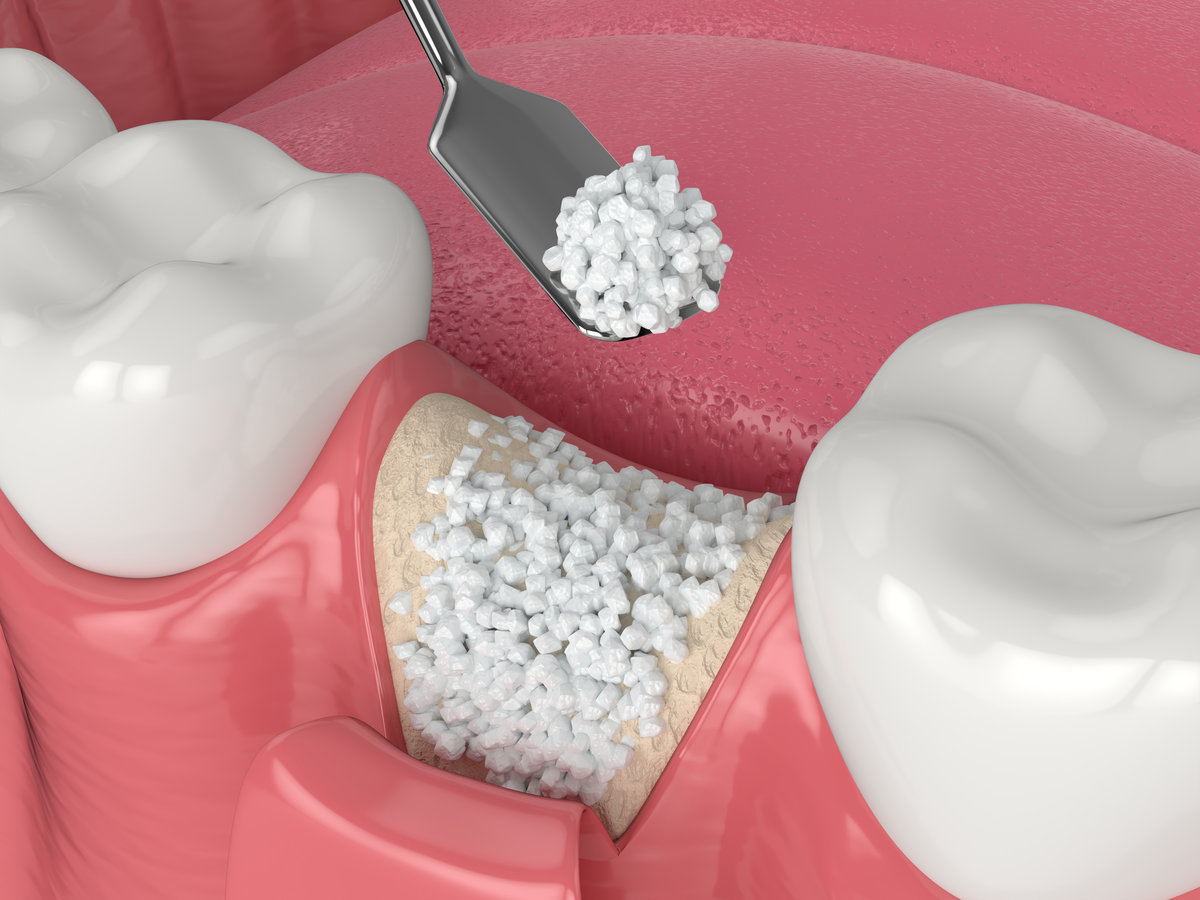
The gap left by a missing tooth is only part of the problem. Beneath the gumline, the jawbone that once supported that tooth starts to break down, and the longer it goes unaddressed, the fewer options remain. What looks like a simple tooth replacement question can quickly become something more involved.
That’s where bone grafting comes in, and it’s a procedure we perform with real confidence and precision at Precision Cosmetic & Family Dentistry. Dr. James Kortbus brings a genuine passion for surgical and implant cases to every patient he sees, and our oral surgery services are designed to make the path to a restored smile as smooth and informed as possible. Whether you’ve been missing a tooth for years or you’re planning ahead after a recent extraction, we’ll help you understand exactly what your jaw needs to support a long-lasting implant.
Request an AppointmentWhat Is Bone Grafting and Why Does It Matter?
Before exploring what the procedure involves, it helps to understand the biology behind it. When a tooth is lost, the jawbone in that area no longer receives the stimulation it needs to stay strong. Over time, that bone naturally begins to resorb, leaving behind a thinner, weaker ridge that may not have enough volume to anchor an implant securely.
The Role of the Jawbone in Implant Success
A dental implant functions like a tooth root, fusing directly into the jawbone through a process called osseointegration. For that fusion to happen reliably, there needs to be sufficient bone width and height at the implant site. When there isn’t, placing an implant without first rebuilding the bone puts the entire restoration at risk.
How Bone Loss Happens
Bone loss after tooth loss can happen faster than most people expect. Research published in PubMed Central found that dental implants placed in grafted sites achieved a 95.5% survival rate, underscoring that when bone grafting is performed correctly, it sets the stage for outcomes that are highly predictable. The time between losing a tooth and addressing the bone underneath it matters, and the sooner we evaluate the area, the more options you typically have.
What to Expect from the Bone Grafting Process
A bone graft involves placing graft material into the area of bone loss to encourage the body to generate new, healthy bone tissue. Depending on your situation, we may use a variety of graft materials, including processed bone from a tissue bank (allograft) or synthetic materials that mimic natural bone structure. Dr. Kortbus will walk you through which option makes the most sense for your case.
Types of Bone Grafts We Use
The right graft material depends on the size of the defect, the planned implant site, and your overall health. Here’s a brief overview of the types we commonly work with:
- Allograft: Processed donor bone from a tissue bank, sterile and widely used for its compatibility and availability
- Xenograft: Derived from bovine (cow) bone, treated to be biocompatible and effective for many types of defects
- Alloplast: Fully synthetic, lab-created material that supports new bone formation without animal or human sources
- Socket preservation graft: Placed immediately after a tooth extraction to prevent bone loss before implant placement begins
Each of these options has a strong track record, and we’ll recommend what fits your specific anatomy and goals. Our team uses CBCT imaging technology to get a precise, three-dimensional view of your bone volume before any treatment planning takes place, so there are no surprises once we’re in the operatory.
The Healing Timeline
After a graft is placed, the body needs time to integrate the new material and build new bone. Healing typically spans several months, though the timeline varies based on graft size and location. We’ll monitor your progress closely and let you know when the site is ready for the next step. You can read more about the full process in our detailed bone grafting blog, which covers what happens at each stage of healing.
How Bone Grafting Fits Into Your Implant Journey
Bone grafting is often just one phase of a broader plan that leads to a fully restored tooth. Once the grafted site has matured, we can proceed with placing the implant and eventually restoring it with a crown. The goal is always a result that looks natural, functions well, and lasts for decades. Our restorative dentistry team works alongside the surgical phase to make sure the final restoration meets the same standard of care as everything that came before it.
Some patients are candidates for socket preservation grafts performed at the time of extraction, which can shorten the overall treatment timeline by preserving bone before significant loss occurs. During your consultation, we’ll assess the current state of your jaw and present a clear, step-by-step treatment plan with realistic timelines and honest expectations.
Choose Precision Cosmetic & Family Dentistry for Your Bone Graft in New Smyrna Beach
What sets us apart isn’t just the technology we use or the training Dr. Kortbus has built over years of surgical experience. It’s the way we approach every case as a whole person, not a procedure on a schedule. Dr. Kortbus trained at NYU and has a genuine love for complex cases, including the kind of precision work that bone grafting and implant surgery require. As a member of the American Dental Association, the Florida Dental Association, and a former president of the Volusia-Flagler Dental Association, he brings both clinical depth and a real commitment to this community. Learn more about his background and philosophy on our about page.
We also believe cost should never be a barrier to getting the care your jaw needs. We offer flexible financing options through CareCredit and Cherry, along with an in-house membership plan, so we can find a path that works for your situation. If you’re ready to explore whether bone grafting is the right step toward your implant, we’d love to talk through your options. Contact our office to schedule your consultation at Precision Cosmetic & Family Dentistry in New Smyrna Beach.